How New England’s Harsh Weather Cycles Impact Your HVAC System and What Massachusetts Homeowners Can Do About It
Living in Massachusetts means experiencing some of the most dramatic weather swings anywhere in the country. From brutal winter storms that plunge temperatures well below zero to humid summer stretches that push into the high nineties, our HVAC systems endure relentless punishment year after year. At Acton Refrigeration, Inc., keeping your home cozy since 1972, we have witnessed firsthand how these extreme cycles accelerate wear and tear on heating and cooling equipment across Acton, Concord, Littleton, Harvard, Groton, and Carlisle. Understanding the specific threats New England weather poses to your system is the first step toward protecting your investment and maintaining indoor comfort all year long.
The Freeze-Thaw Cycle and Its Effect on Heating Equipment
New England winters are defined not just by cold but by relentless freeze-thaw cycles. Temperatures can swing thirty or forty degrees within a single twenty-four-hour period, forcing your furnace or heat pump to constantly ramp up and down. This cycling places enormous stress on components like ignition modules, heat exchangers, blower motors, and expansion valves. According to the U.S. Department of Energy, heating accounts for roughly forty-five percent of total energy use in American homes, and in Massachusetts that figure can climb even higher due to the length and severity of winter. When equipment runs harder and longer, parts degrade faster, and efficiency drops significantly over time.
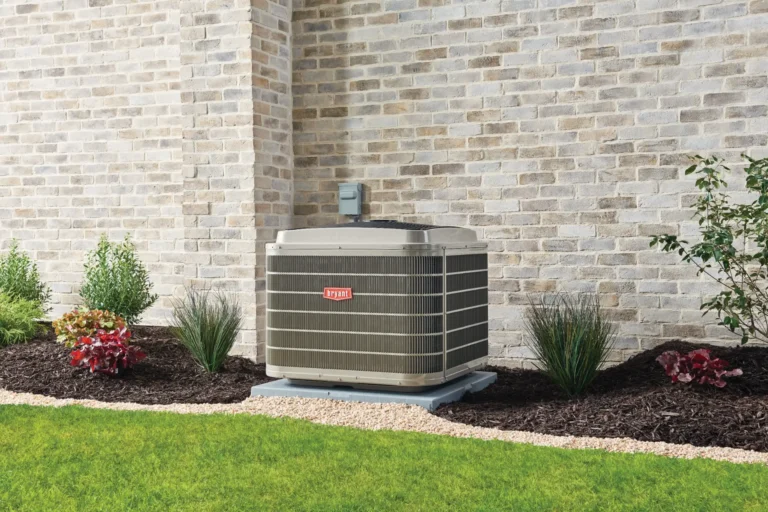
Ice accumulation around outdoor heat pump units presents another serious concern. Heat pumps rely on defrost cycles to clear frost from the outdoor coil, but when ice storms or heavy wet snow bury the unit, the defrost mechanism alone cannot keep up. This can lead to compressor damage and dramatically reduced heating output right when you need it most. Proper unit placement, adequate clearance, and routine inspections before and during winter are essential strategies that we recommend to every homeowner considering heat pump and dual fuel heat pump systems.
Summer Humidity and Cooling System Strain
Massachusetts summers bring a combination of heat and humidity that challenges even the most robust air conditioning systems. When relative humidity consistently exceeds sixty percent, your AC unit must work overtime to remove moisture from the air in addition to lowering temperature. This extended runtime increases energy consumption, accelerates refrigerant cycling, and puts additional load on compressors and condensate drain systems. Clogged condensate lines are one of the most common AC repair issues we handle during July and August, and they can cause water damage to ceilings, walls, and flooring if left unaddressed.
We install dehumidifiers, HRV ventilators, and Mitsubishi ductless mini split systems to give homeowners more precise control over indoor humidity levels. Ductless systems are particularly effective because they allow zone-by-zone temperature and humidity management, eliminating the inefficiency of conditioning rooms that are unoccupied. As a proud partner with the Mass Save and Clean Energy Center programs, we help homeowners access available rebates and incentives that can offset the cost of upgrading to high-efficiency cooling solutions.
The Shoulder Seasons: Spring and Fall Vulnerabilities
Many homeowners overlook the transitional seasons, but spring and fall present unique challenges. During these months, your system may switch between heating and cooling multiple times in a single week. This constant mode-switching strains thermostats, reversing valves in heat pumps, and ductwork connections. Condensation can form inside ducts when warm air meets cool surfaces, creating an environment where mold and bacteria thrive. Proper air filtration and ventilation become critical during these periods to maintain healthy indoor air quality.
Spring also brings pollen, seeds, and debris that can clog outdoor condenser coils and restrict airflow. Reduced airflow forces the compressor to work harder, increasing energy costs and shortening equipment lifespan. A thorough spring cleaning and inspection is one of the most cost-effective maintenance steps any Massachusetts homeowner can take.
Proactive Steps to Protect Your System
Taking a proactive approach to HVAC maintenance can significantly extend the life of your equipment and reduce emergency breakdowns. We recommend the following measures for homeowners throughout the region:
- Schedule biannual maintenance visits in spring and fall to inspect, clean, and tune both heating and cooling components before peak demand seasons arrive
- Upgrade aging equipment to high-efficiency furnaces, air conditioning systems, or dual fuel heat pump configurations that handle temperature swings more effectively while lowering energy bills
- Install supplemental humidity control such as whole-home humidifiers for winter and dehumidifiers for summer to reduce strain on your primary HVAC system
As a factory authorized service dealer for Amana, American Standard, Armstrong, Bryant, Carrier, Goodman, Lennox, and Trane for over four decades, Acton Refrigeration, Inc. carries an extensive parts inventory and provides expert troubleshooting that keeps response times short. We treat customers like family, and that means helping you make informed decisions about your home comfort. Our feasibility energy cost comparison sheet is available upon request and can guide you toward the most economical fuel choice for your specific situation. Whether you need air conditioning service, HVAC installation, AC repair, or heating service, protecting your system against New England weather starts with a plan and a trusted partner.