Understanding Your Home’s HVAC Infrastructure: Key Components Every Massachusetts Homeowner Should Know Before They Need Emergency Repairs
When your furnace fails on a bitter January night in Concord or your air conditioning stops working during a sweltering August afternoon in Acton, that is not the ideal time to start learning how your HVAC system operates. At Acton Refrigeration, Inc., keeping your home cozy since 1972, we have seen countless homeowners caught off guard by emergency breakdowns simply because they did not understand the fundamentals of their heating and cooling infrastructure. Knowing the key components of your system, how they interact, and what warning signs to watch for can save you time, stress, and money when something goes wrong.
The Core Components of a Residential HVAC System
Your home’s HVAC system is more than just a furnace and an air conditioner. It is an interconnected network of components that work in harmony to regulate temperature, humidity, and air quality throughout every room. The furnace or heat pump serves as the primary heating source, burning fuel or transferring heat energy to warm the air before distributing it through your ductwork. High efficiency furnaces, which we install across communities including Littleton, Harvard, and Groton, can achieve Annual Fuel Utilization Efficiency ratings above 95 percent, meaning nearly all the energy consumed converts directly into usable heat.
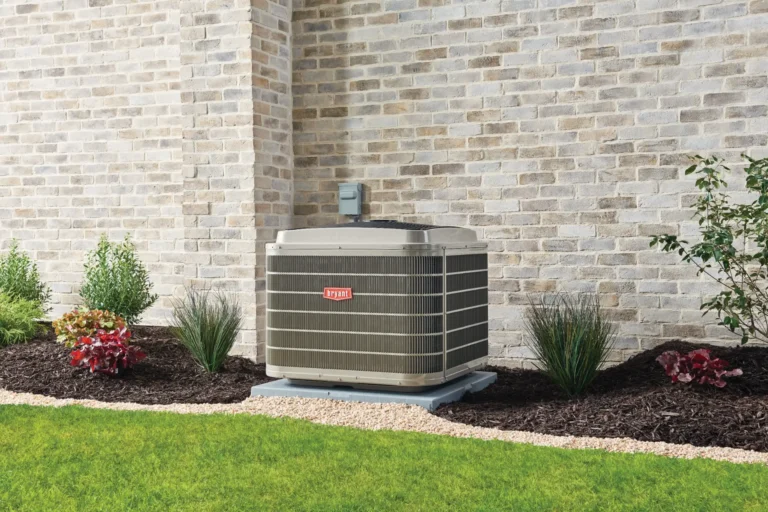
The air conditioning system operates through a split design in most Massachusetts homes, with an outdoor condensing unit and an indoor evaporator coil working together to remove heat and moisture from your living spaces. The refrigerant cycle that powers this process depends on precise charge levels, clean coils, and unobstructed airflow. When any of these elements fall out of balance, your system works harder, consumes more energy, and becomes vulnerable to mechanical failure. For homes without existing ductwork, Mitsubishi ductless mini split systems offer a versatile alternative that we frequently install throughout the region, providing both heating and cooling through compact wall-mounted units.
The Often Overlooked Supporting Systems
Beyond the primary heating and cooling equipment, several supporting components play critical roles in your home’s comfort and air quality. The thermostat acts as the brain of the entire operation, communicating with your equipment to maintain desired temperatures. Modern programmable and smart thermostats offer significant energy savings, but they must be properly calibrated and compatible with your specific equipment configuration. Residential heating and cooling accounts for approximately fifty percent of our customer base, and many of the homes we service throughout Carlisle, Acton, and surrounding communities feature sophisticated setups with special temperature, humidity, air filtration, and alarm requirements that rival commercial installations.
HRV ventilators, humidifiers, and dehumidifiers round out a comprehensive HVAC infrastructure. Massachusetts homeowners face unique challenges because our climate demands both robust heating capacity for frigid winters and reliable air conditioning service for humid summers. An HRV ventilator exchanges stale indoor air with fresh outdoor air while recovering heat energy, which is particularly valuable in tightly sealed modern homes. Humidity control prevents problems ranging from dry skin and static electricity in winter to mold growth and structural damage during summer months.
Warning Signs That Demand Attention
Understanding what normal operation looks and sounds like helps you identify problems before they escalate into emergencies. Every homeowner should be familiar with these common warning signs that indicate your system needs professional AC repair or heating service:
- Unusual noises such as banging, grinding, or squealing often indicate loose components, worn bearings, or failing motors that require immediate attention
- Inconsistent temperatures between rooms may point to ductwork issues, refrigerant leaks, or an improperly sized system
- Unexplained increases in energy bills typically mean your system is working harder than designed to maintain comfort levels
- Short cycling where the system turns on and off frequently can signal thermostat malfunctions, airflow restrictions, or overheating components
- Strange odors coming from vents could indicate electrical problems, mold growth within ductwork, or even a cracked heat exchanger
Heat Pumps and Dual Fuel Systems for Massachusetts Homes
The HVAC industry is moving steadily toward heat pump technology, and Massachusetts homeowners are embracing this trend thanks to programs like Mass Save and the Clean Energy Center, both of which we proudly partner with. Heat pump systems extract heat from outdoor air even in cold temperatures, providing efficient heating without combustion. Dual fuel heat pump systems pair a heat pump with a traditional furnace, automatically switching between electric and gas or oil heating based on outdoor temperatures and fuel comparison costs. We maintain a feasibility energy cost comparison sheet available upon request to help homeowners make informed fuel choice decisions.
As a factory authorized service dealer for Amana, American Standard, Armstrong, Bryant, Carrier, Goodman, Lennox, and Trane for over four decades, we bring deep expertise to every HVAC installation and repair call. We treat customers like family, and that starts with empowering you with knowledge about the systems keeping your household comfortable throughout every Massachusetts season.