Understanding Your Home’s Vital HVAC Systems: What Every Massachusetts Homeowner Should Know About Heating and Cooling Components
Living in Massachusetts means experiencing the full spectrum of weather conditions, from bitter January cold snaps to sweltering August humidity. Your heating and cooling system works tirelessly behind the scenes to keep your family comfortable throughout every season. At Acton Refrigeration, Inc., keeping your home cozy since 1972, we believe that understanding how your HVAC system works empowers you to make smarter decisions about maintenance, repairs, and upgrades. Whether you live in Acton, Carlisle, Concord, Groton, Harvard, or Littleton, knowing the fundamentals of your home’s climate control equipment can save you money and extend the life of your investment.
The Core Components of a Residential HVAC System
Every home heating and cooling system is made up of interconnected components that work together to regulate temperature, humidity, and air quality. The furnace or heat pump serves as the heart of the heating system, generating warmth that gets distributed through ductwork or alternative delivery methods. Modern hi-efficiency furnaces convert a significantly higher percentage of fuel into usable heat compared to older models, which means lower utility bills and reduced environmental impact. We install hi-efficiency furnaces from manufacturers we have been factory authorized to service for over forty-six years, including Amana, American Standard, Armstrong, Bryant, Carrier, Goodman, Lennox, and Trane.
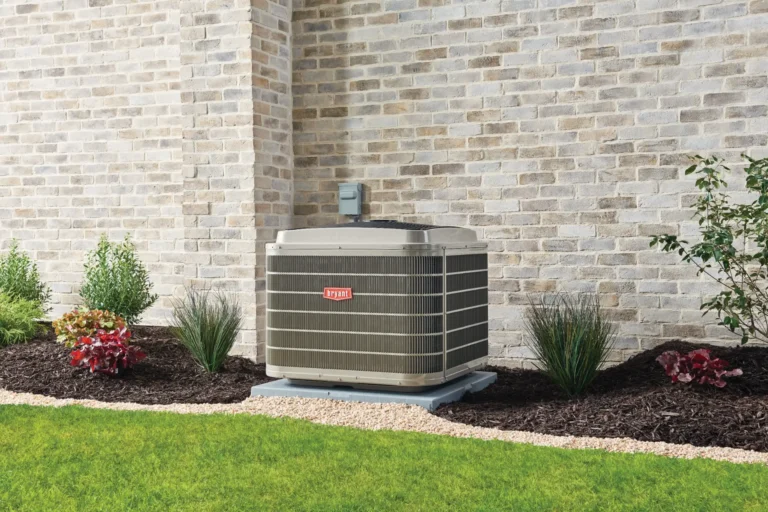
On the cooling side, your air conditioning system relies on a compressor, condenser coil, evaporator coil, and refrigerant to extract heat from indoor air and release it outside. Split AC systems separate these components between an outdoor condensing unit and an indoor evaporator, connected by refrigerant lines. When any one of these components fails, AC repair becomes necessary to restore comfort. Understanding this basic architecture helps you communicate more effectively with your HVAC technician and recognize early warning signs of trouble.
Heat Pumps and Dual Fuel Systems: The Future of Home Comfort
Heat pump technology has advanced dramatically in recent years, making it a viable year-round solution even in the demanding Massachusetts climate. A heat pump works by transferring heat rather than generating it, which makes it remarkably efficient. In winter, it extracts heat energy from outdoor air and moves it inside. In summer, it reverses the process to function as an air conditioner. Industry data shows that modern heat pumps can operate efficiently in temperatures well below zero degrees Fahrenheit, a significant improvement over earlier generations of the technology.
Dual fuel heat pump systems combine the efficiency of an electric heat pump with the reliability of a gas furnace. The system automatically switches between the two fuel sources based on outdoor temperatures and energy costs, optimizing both comfort and economy. We offer a feasibility energy cost comparison sheet to help customers determine whether a heat pump, dual fuel system, or traditional furnace best suits their home and budget. As a proud partner with the Mass Save and Clean Energy Center programs, we help homeowners take advantage of available rebates and incentives for energy-efficient HVAC installation.
Ductless Mini Splits and Indoor Air Quality Solutions
Not every home has existing ductwork, and some rooms simply never seem to reach the right temperature. Mitsubishi ductless mini split systems solve both problems by delivering heated or cooled air directly into individual zones without requiring ducts. These systems are ideal for additions, converted attics, sunrooms, and older New England homes where installing ductwork would be impractical or prohibitively expensive. Each indoor unit operates independently, allowing family members to customize temperatures room by room.
Beyond temperature control, comprehensive home comfort includes managing humidity and air quality. Some of our residential homes have the sophistication of commercial jobs, with special temperature, humidity, air filtration, and alarm requirements. We install HRV ventilators that bring fresh outdoor air inside while recovering heat energy from stale exhaust air, maintaining efficiency without sacrificing ventilation. Humidifiers prevent the dry, cracked-skin discomfort common during Massachusetts winters, while dehumidifiers tackle the muggy conditions that summer brings. Together, these components create a complete indoor environment.
Key Components Every Homeowner Should Monitor
Routine awareness of your system’s condition helps prevent costly breakdowns and ensures efficient operation. Here are the critical elements to watch:
- Air filters should be checked monthly and replaced every one to three months depending on household conditions including pets and allergies
- Thermostat calibration ensures accurate temperature readings and prevents your system from cycling unnecessarily
- Condensate drain lines can become clogged with algae and debris, potentially causing water damage if left unaddressed
- Outdoor condenser units need clear space around them free of vegetation, debris, and snow accumulation
- Refrigerant levels that are low indicate a leak requiring professional air conditioning service rather than a simple top-off
- Ductwork integrity matters because leaky ducts can waste up to thirty percent of conditioned air before it reaches living spaces
We treat customers like family, and that means helping you understand the systems protecting your home. Residential heating and cooling represents approximately fifty percent of our customer base, and that deep experience across Acton, Concord, Littleton, and surrounding communities gives us unique insight into the challenges Massachusetts homeowners face. Investing time in understanding your HVAC system today pays dividends in comfort, efficiency, and peace of mind for years to come.